Primary Health System Strengthening Project (PHSS)
Funded by: Partnership for Transforming Health Systems II (PATHS2), a DFID Programme
Principal Recipient: Economic and Social Empowerment of Rural Communities (ESERC)
Project Duration: March 2013 – May 2016
Project Location: Enugu State, Nigeria
Background
The Primary Health System Strengthening Project was implemented by ESERC with funding support from the Partnership for Transforming Health Systems II (PATHS2), a programme supported by the UK Department for International Development (DFID). PATHS2 was designed to strengthen Nigeria’s health system and improve health service delivery, with a particular focus on reducing maternal and neonatal mortality and contributing to the achievement of Millennium Development Goals (MDGs) 4 and 5.
Recognizing that strong community participation and accountability mechanisms are essential for sustainable health outcomes, PATHS2 introduced a Voice and Accountability (V&A) component. This approach aimed to empower citizens to articulate their experiences with health services and to use organized advocacy to demand improved responsiveness, transparency, and accountability from government and health service providers.
Project Overview
Under PATHS2, ESERC implemented the Voice and Accountability (V&A) intervention, with a specific focus on strengthening Facility Health Committees (FHCs) as community-based structures for promoting citizen engagement and accountability within the primary healthcare system.
The V&A approach encouraged community members to actively participate in decisions affecting their health facilities, monitor service delivery, and engage government authorities through structured advocacy. Evidence from PATHS2 demonstrated that effective Facility Health Committees significantly contributed to improved health facility performance and service utilization. Consequently, scaling up and strengthening FHCs across PATHS2-supported health facilities became a key strategy.
ESERC’s assignment under this project focused specifically on Workstream One of the PATHS2 V&A framework.
PATHS2 Voice and Accountability Workstreams
PATHS2 V&A interventions were structured around three complementary workstreams:
1. Development and Strengthening of Facility Health Committees (FHCs)
To promote citizen voice and improve accountability of health providers and government institutions to service users.
2. Advocacy Initiatives
To apply constructive pressure on the government to improve health service delivery and address identified gaps.
3. Participatory Policy Development and Resource Tracking
To improve government responsiveness and ensure efficient allocation and utilization of health sector resources.
ESERC’s intervention focused on Workstream One, strengthening Facility Health Committees as a foundation for sustainable community-led accountability in the health system.
Role and Functions of Facility Health Committees
Facility Health Committees supported under the project operated across three broad functional areas:
• Improving health facility performance, including oversight of service quality, staff attendance, and infrastructure needs.
• Ensuring community participation by involving community members in decision-making related to their health facilities.
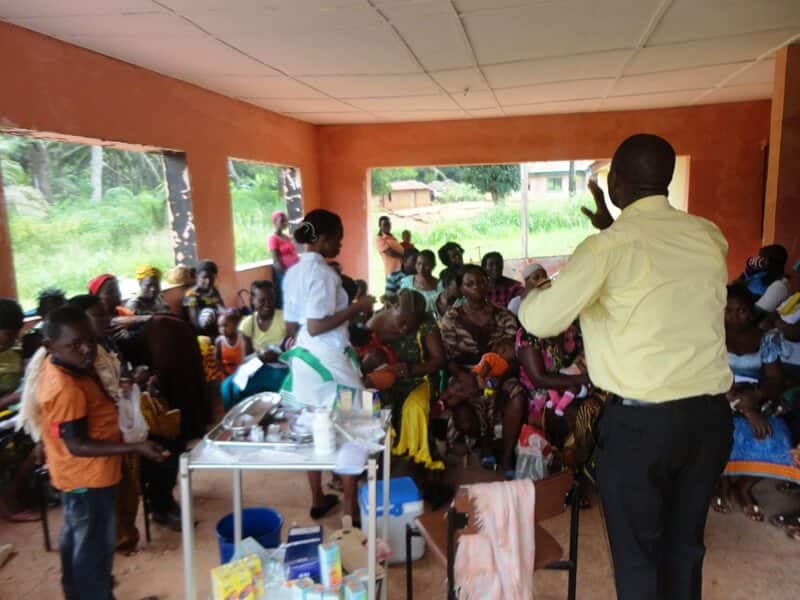
• Increasing community access and utilization of health services through mobilization, sensitization, and trust-building between communities and health workers.
Project Scope and Geographic Coverage
ESERC implemented the project in 29 communities across five Local Government Areas (LGAs) in Enugu State:
1. Igboeze North LGA
2. Igboeze South LGA
3. Isi-Uzo LGA
4. Udi LGA
5. Nkanu East LGA
Key Activities and Interventions
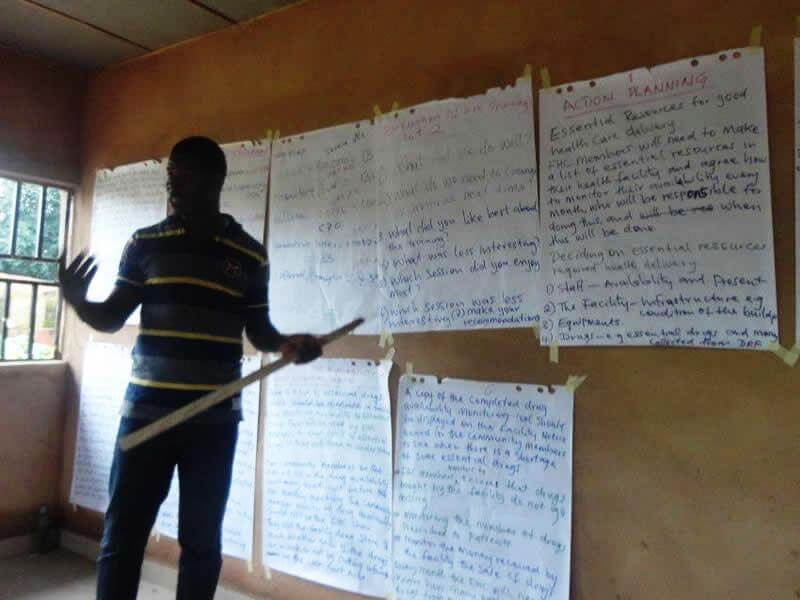
To strengthen the functionality, effectiveness, and sustainability of Facility Health Committees, ESERC implemented a comprehensive package of capacity-building, mentoring, and accountability interventions, including:
1. Constitution and Training of Facility Health Committees (FHCs)
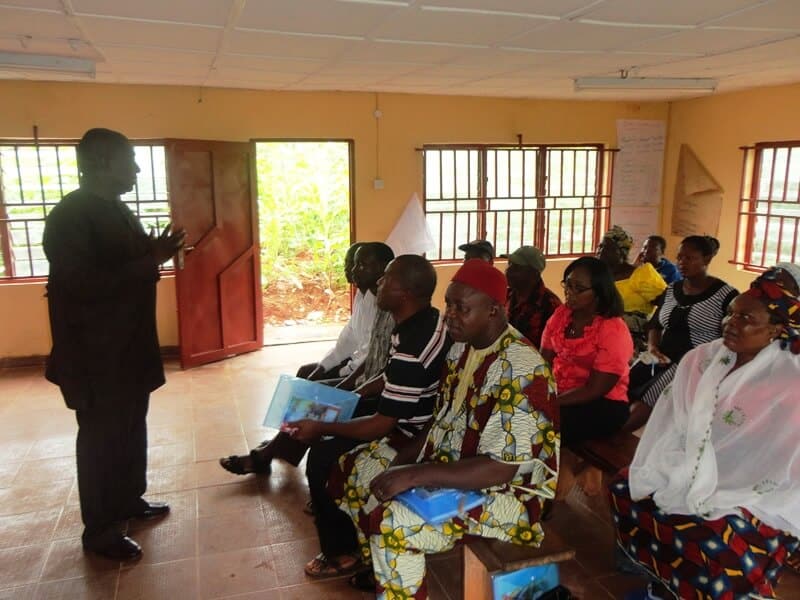
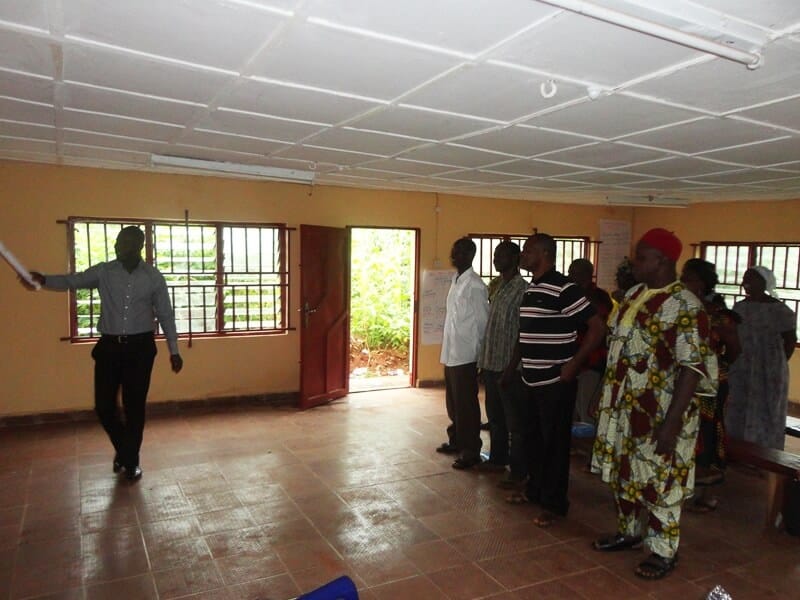
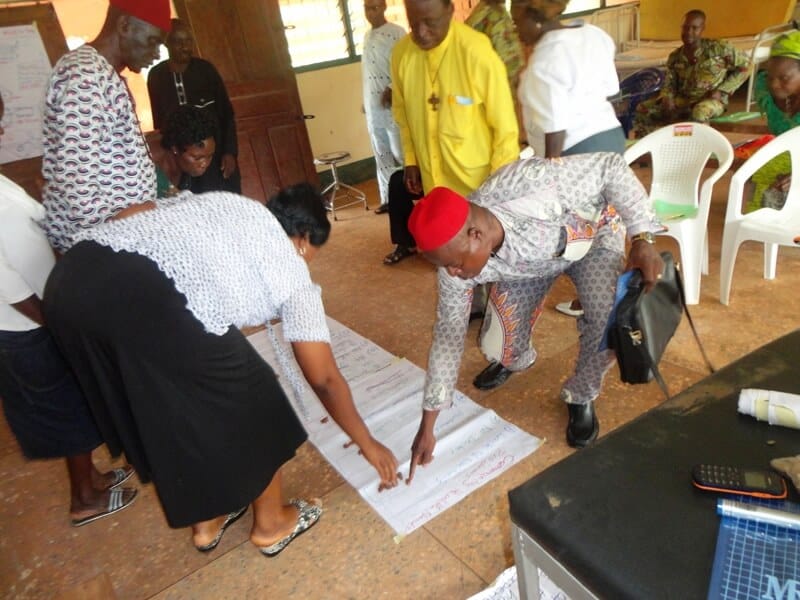
ESERC facilitated the establishment and training of FHCs in each participating community, equipping members with skills in leadership, community engagement, facility oversight, and advocacy.
2. Intensive Monthly Mentoring and Support
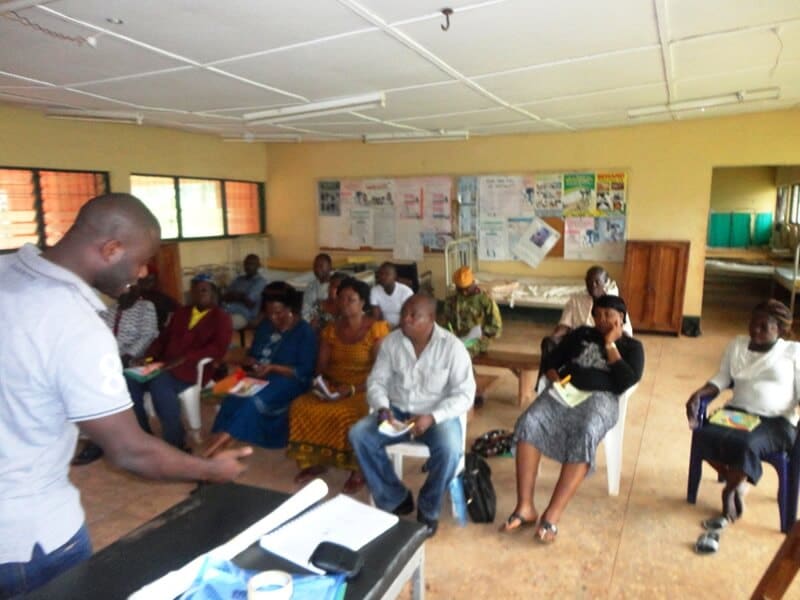
Each FHC received continuous mentoring and on-site technical support over a 12-month period to strengthen governance, problem-solving, and engagement with health facility staff.
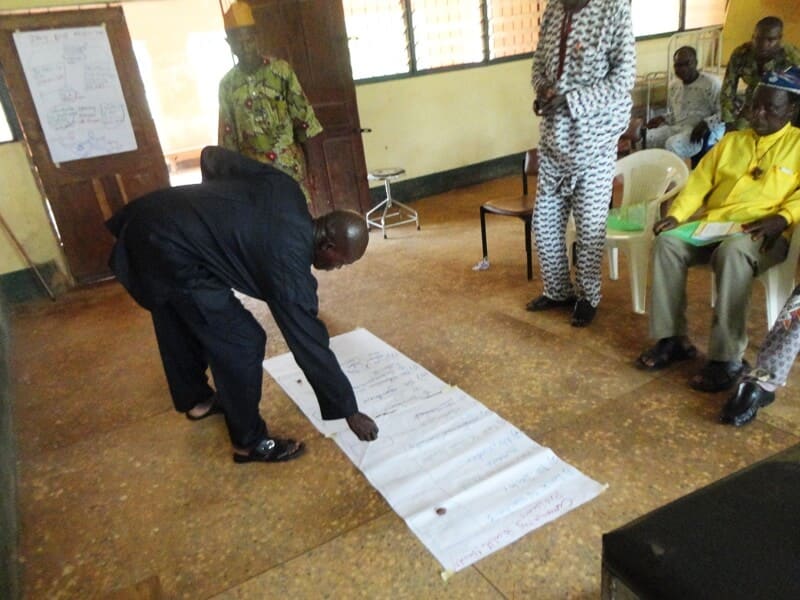
3. Quarterly FHC Self-Assessments
FHCs were supported to conduct regular self-assessments to reflect on performance, identify challenges, and develop improvement plans.
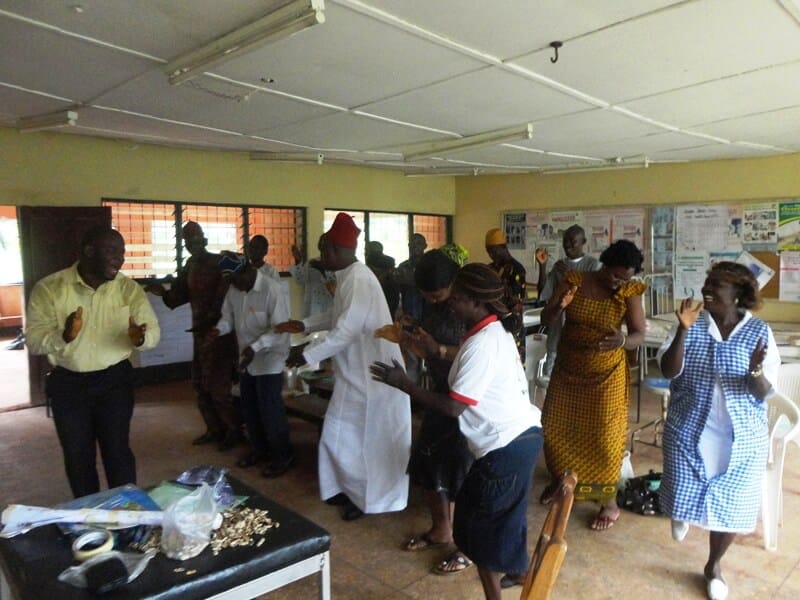
4. Quarterly FHC Alliance and Experience-Sharing Meetings
Peer learning forums were organized at the LGA level to enable FHCs to share experiences, lessons learned, and best practices.
5. Quarterly Community Networking Events
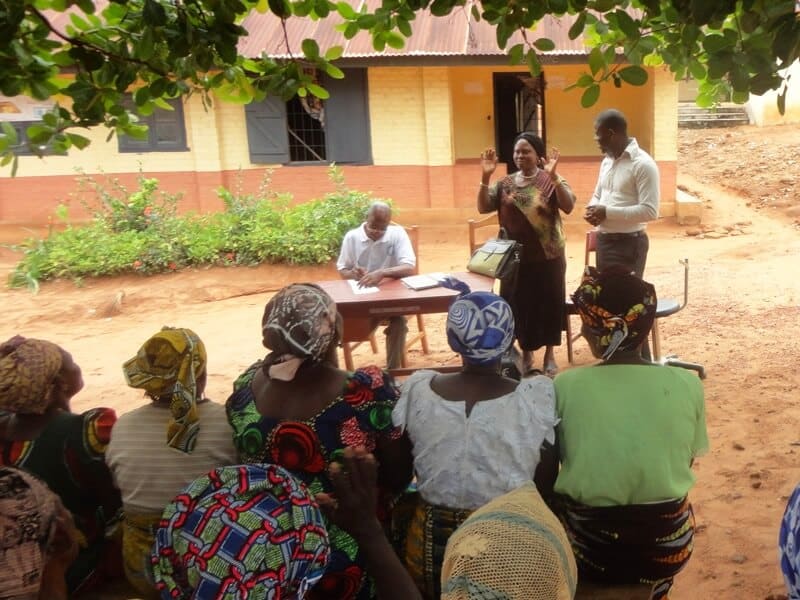
These events created platforms for dialogue between communities, health workers, and local authorities to strengthen trust and accountability.
6. Bi-monthly Review and Planning Meetings with PATHS2
Regular coordination meetings ensured alignment with PATHS2 objectives, timely reporting, and adaptive management.
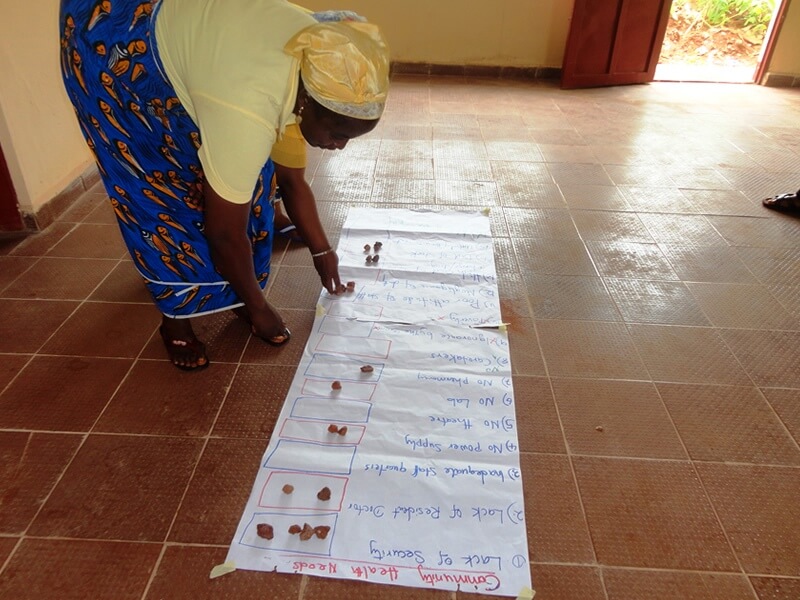
7. Bi-annual Administration of Community Scorecards
Community scorecards were used to assess service quality, provider responsiveness, and community satisfaction with health services.
8. Annual State-wide Stakeholder Meetings
ESERC convened annual meetings involving government stakeholders, health officials, and community representatives to review progress and promote policy dialogue.
9. Support for Drug Revolving Fund / Sustainable Drug Supply System (DRF/SDSS)
ESERC provided technical support to ensure FHCs effectively oversaw drug management systems, improving transparency and availability of essential medicines.
Key Achievements and Results
Through this project, ESERC recorded significant achievements in strengthening community accountability and improving primary healthcare delivery:
• Successfully constituted, trained, and mentored 29 Facility Health Committees across five LGAs in Enugu State.
• FHCs mobilized community resources to carry out minor facility repairs and improvements, enhancing service environments.
• Improved health worker attendance and reduced absenteeism through regular monitoring and engagement.
• Strengthened management and utilization of the Drug Revolving Fund / Sustainable Drug Supply System, leading to better availability of essential medicines.
• Conducted advocacy visits that resulted in government support for minor infrastructure and service improvements in health facilities.
• Increased government responsiveness to community-identified health challenges and priorities.
• Enhanced community trust in primary health facilities, contributing to improved service utilization.
Conclusion
The Primary Health System Strengthening Project demonstrated that empowered communities and functional Facility Health Committees are critical to improving primary healthcare performance and accountability. By investing in training, mentoring, and structured community engagement, ESERC helped institutionalize citizen voice within the health system and strengthened linkages between communities, health workers, and government authorities.
The project not only contributed to improved health service delivery at the facility level but also laid a strong foundation for sustainable, community-led accountability mechanisms in Enugu State’s primary healthcare system.