Project Title: Nigeria Survey on Gender Norms, Attitudes, Health and Well-being
Funder: Gates Foundation.
Principal Recipient: Policy Innovation Centre (PIC).
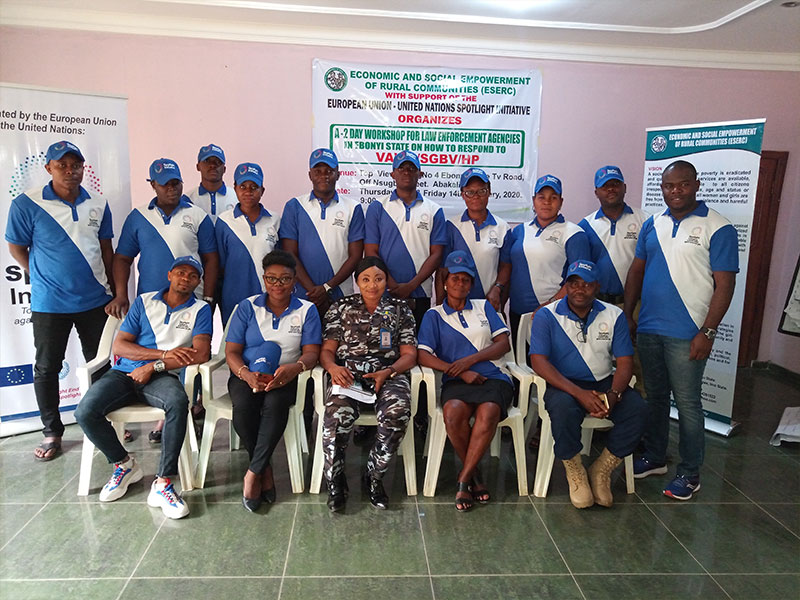
Implementing Partner/Sub-Recipient: Economic and Social Empowerment of Rural Communities (ESERC).
Duration: September 2025 – date
Location: Ebonyi State – Abakaliki LGA, Ezza South LGA, and Ohaozara LGA
Project Overview:
The Nigeria Survey on Gender Norms, Attitudes, Health and Well-being is a national initiative designed to generate evidence on the social norms affecting Very Young Adolescents (VYAs) aged 10–14 years and their surrounding communities. These norms play a critical role in shaping behaviours and outcomes related to sexual and reproductive health (SRH), child early and forced marriage (CEFM), gender-based violence (GBV), emotional wellbeing, and women’s economic empowerment (WEE).
Led by the Policy Innovation Centre (PIC) with funding from the Gates Foundation, the project is being implemented across 14 states in Nigeria. It aims not only to conduct research but also to design and scale community-driven solutions that challenge restrictive gender norms and promote healthier, more supportive environments for adolescents.
One of the central components of this initiative is the Social Norms Exploration (SNE) Survey, which uses participatory methods—including interviews, focus group discussions, and community mapping—to understand the beliefs, influencers, expectations, and pressures shaping young adolescents’ daily lives. Findings from this research will guide tailored interventions to foster positive behaviour change and strengthen gender-equitable practices across communities.
Project Objectives:
1. Identify and analyse gender norms influencing VYAs’ behaviours, wellbeing, and opportunities within their households, peer groups, and wider communities.
2. Generate community-driven insights that inform innovative interventions addressing SRH, GBV, CEFM, and WEE issues.
3. Strengthen safeguarding and ethical engagement of adolescents and community actors during participatory research processes.
4. Promote positive, gender-equitable norms that support adolescent development and long-term wellbeing.
5. Contribute evidence to national and state-level policy planning, advocacy, and programme design focused on adolescent health and gender equality.
ESERC’s Scope of Work:
As a selected implementing partner for Ebonyi State, ESERC is leading community-level implementation across Abakaliki, Ezza South, and Ohaozara LGAs. Our responsibilities include:
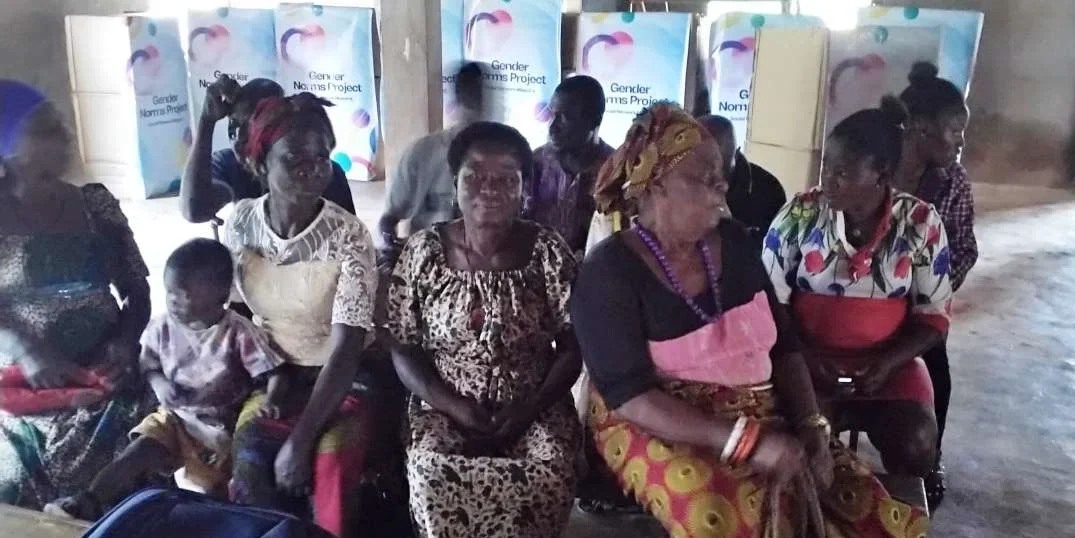
– Community Entry & Stakeholder Engagement: Securing local approvals, sensitizing traditional, religious, and community leaders, and building trust for smooth research implementation.
– Participant Identification & Recruitment: Supporting the identification of eligible adolescents and reference groups and coordinating recruitment processes.
– SNE Research Logistics: Providing safe spaces for discussions, supporting interviews and participatory tools, and ensuring strict adherence to safeguarding and ethical guidelines.
– Data Collection & Documentation: Collecting qualitative and quantitative data using standardized tools, monitoring participation, and tracking early outcomes.
– Learning, Validation & Dissemination: Participating in reflection meetings, supporting validation sessions, and assisting in disseminating findings within communities.
Through this engagement, ESERC continues to advance its mission of promoting gender equality, safeguarding young people, and strengthening community-driven solutions to end GBV in Nigeria.