The Economic and Social Empowerment of Rural Communities (ESERC) has officially launched the Enugu State Gender-Based Violence (GBV) Task Force, marking a significant milestone in strengthening a coordinated, survivor-centred response to gender-based violence across Enugu State.
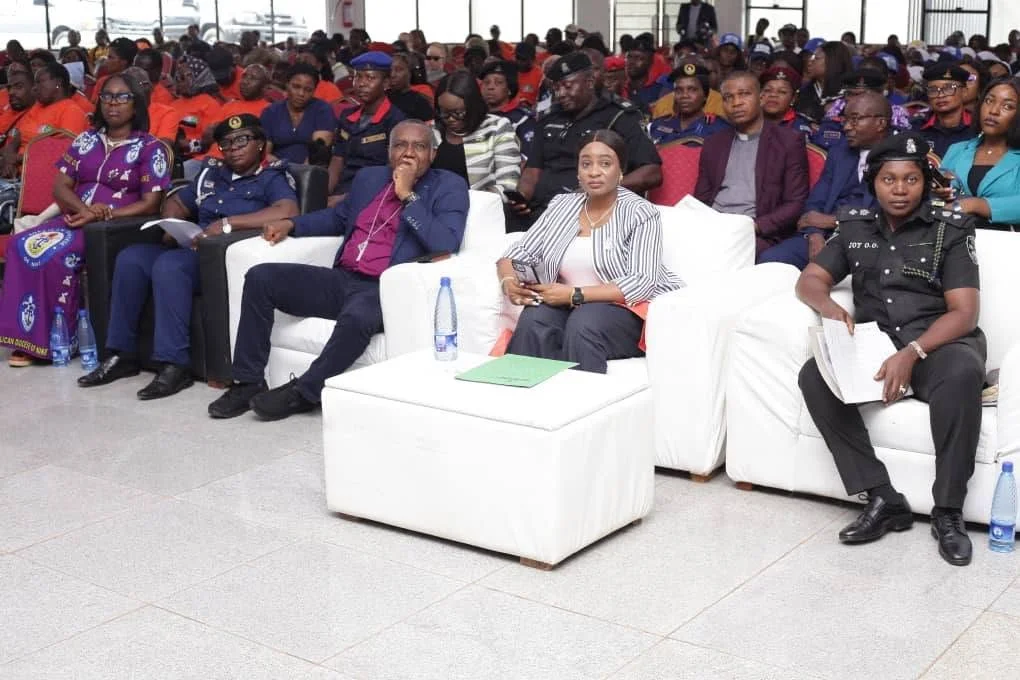
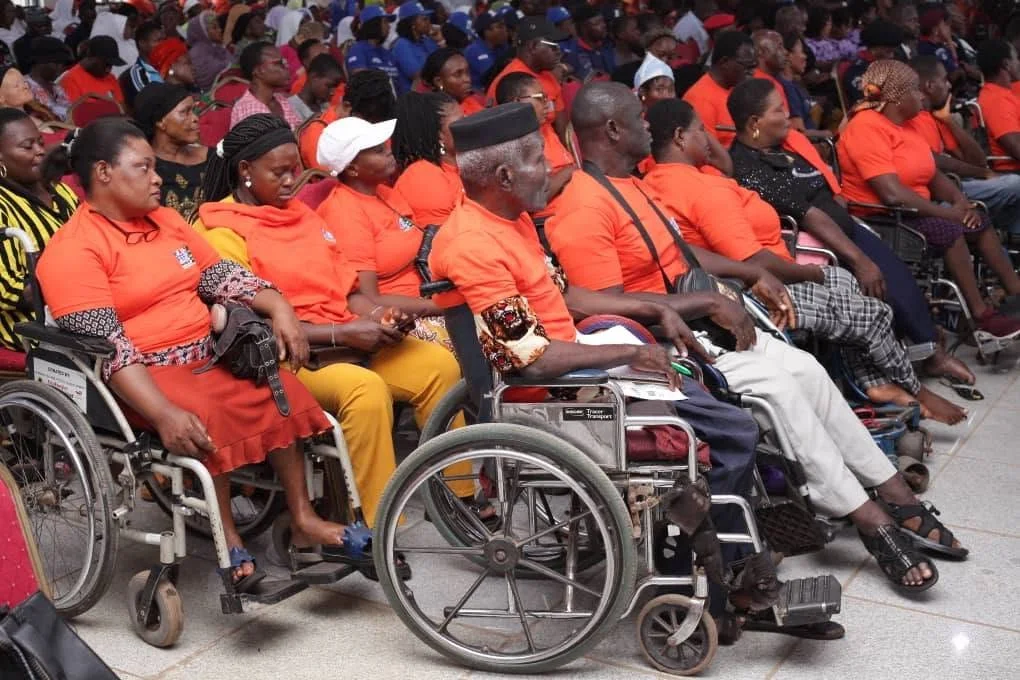
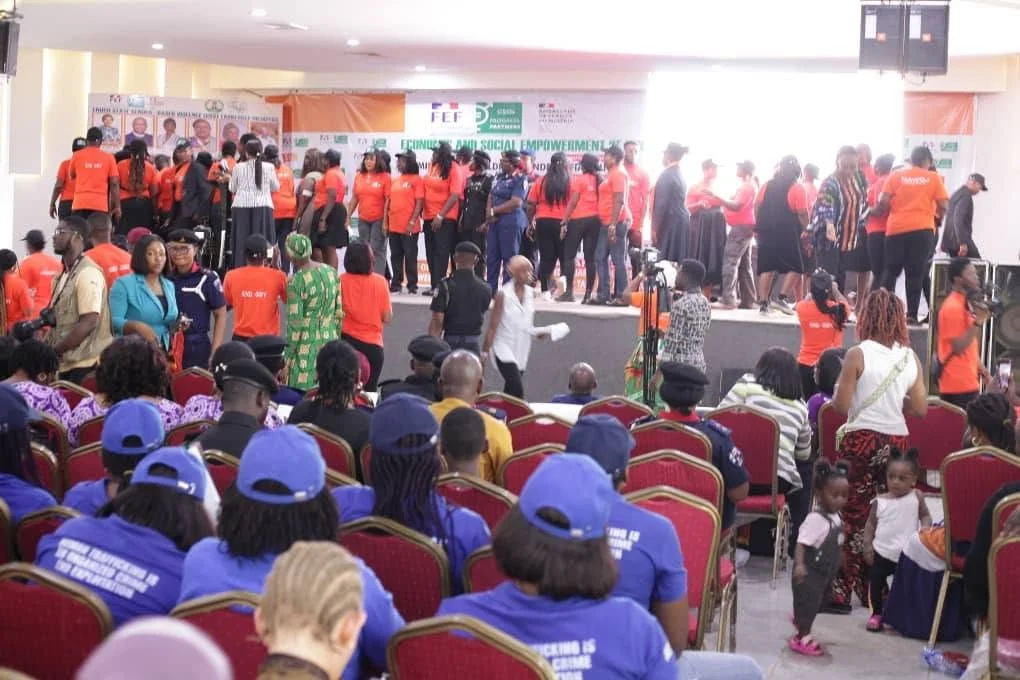
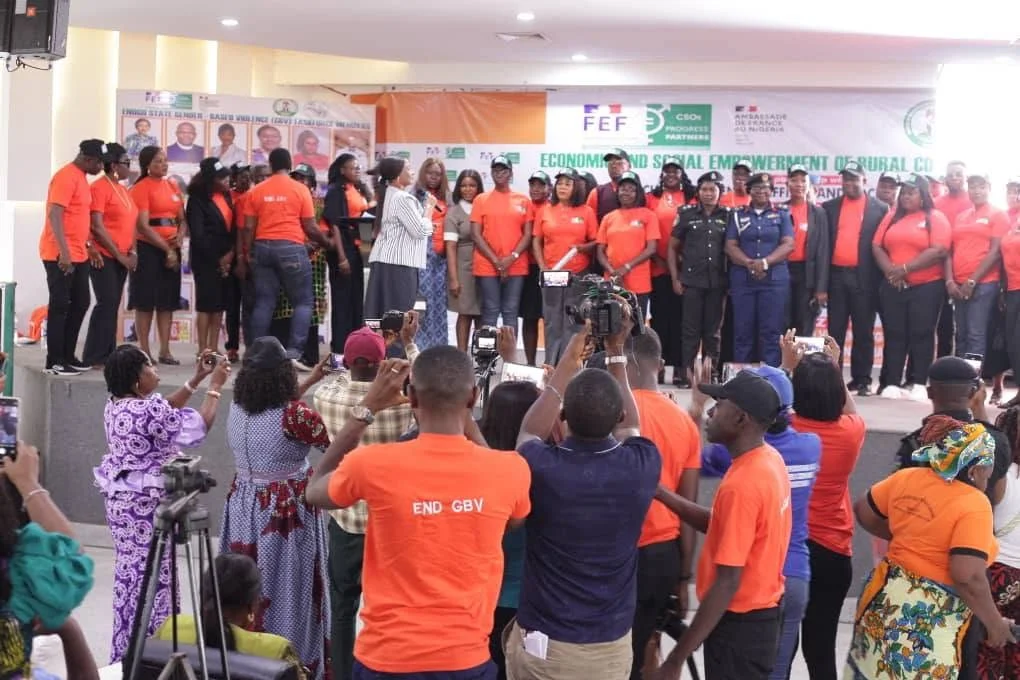
The official launch, held on Monday, December 8, 2025, at the International Conference Centre (ICC), Enugu, brought together senior government officials, traditional rulers, religious leaders, representatives of security agencies, civil society organizations, development partners, and community stakeholders committed to eliminating gender-based violence and protecting the rights of women and girls.
The Task Force was established under ESERC’s flagship project, “Breaking the Cycle of Gender-Based Violence: Survivor-Centered Services and Community Engagement in Enugu State,” implemented with funding from the French Embassy Fund for Civil Society Organizations (FEF-OSC) in partnership with the Enugu State Ministry of Children, Gender Affairs and Social Development.
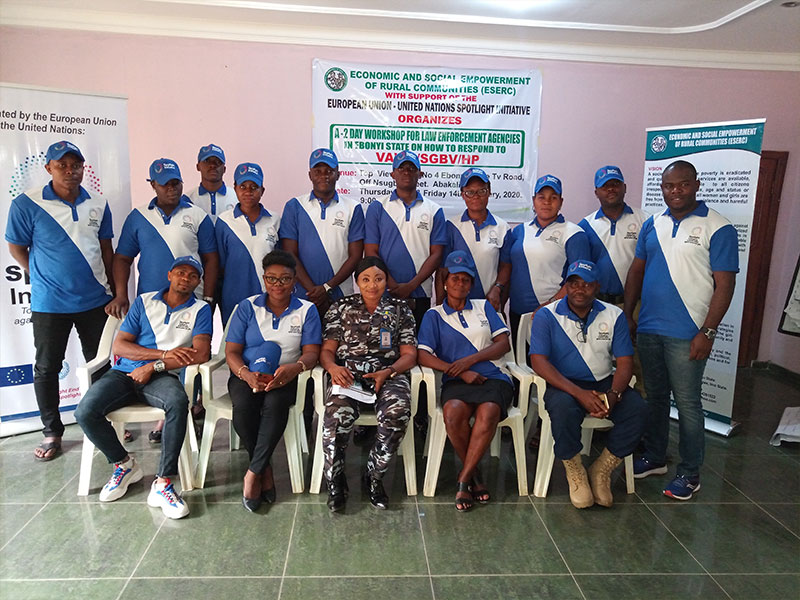
The initiative builds on ESERC’s proven experience in strengthening GBV coordination systems. Between 2019 and 2023, the organization successfully supported the establishment and strengthening of the Ebonyi State GBV Task Force under the European Union–United Nations Spotlight Initiative, funded by UNDP. That model continues to function beyond the donor funding period, demonstrating the sustainability of ESERC’s community-driven and institutionally anchored approach.
A major highlight of the launch was the signing of a Memorandum of Understanding (MoU) by key Ministries, Departments, and Agencies (MDAs). The agreement formalizes a coordinated, multi-sectoral framework for preventing and responding to gender-based violence, ensuring stronger collaboration among government institutions, security agencies, healthcare providers, civil society organizations, traditional institutions, and faith-based organizations.
The Enugu State GBV Task Force has been established to strengthen survivor-centred referral pathways, improve case management, enhance accountability, support coordinated service delivery, and promote timely access to justice and protection for survivors of gender-based violence. Through this platform, stakeholders will work collectively to improve prevention strategies, strengthen institutional responses, and ensure that survivors receive comprehensive support.
The launch also builds on ESERC’s extensive grassroots engagement across communities in Enugu State. Through the project, Community Advocacy Groups (CAGs) have been trained and deployed to raise awareness, identify vulnerable individuals, support early reporting of incidents, and refer survivors to appropriate services. These community structures now serve as a vital link between local communities and the newly established state-wide coordination mechanism.
Speaking during the event, stakeholders reaffirmed their shared commitment to creating a safer Enugu State where women, girls, and other vulnerable persons can live free from violence, fear, and discrimination. They emphasized that sustained collaboration, strong political will, and active community participation are essential to ending gender-based violence and promoting a culture of respect, equality, and justice.
ESERC expressed its sincere appreciation to the Embassy of France in Nigeria for its support through the French Embassy Fund for Civil Society Organizations (FEF-OSC), as well as to the Enugu State Government, implementing partners, civil society organizations, community leaders, and all stakeholders whose commitment has made this achievement possible.
The launch of the Enugu State GBV Task Force represents more than the inauguration of a coordinating body—it signifies the establishment of a sustainable, institutional framework for preventing gender-based violence, protecting survivors, and promoting accountability across Enugu State.
Together, we can break the cycle of gender-based violence and build a future where every woman, girl, and vulnerable person lives in safety, dignity, and hope.