Supporting and Strengthening Women’s Capacity for Inclusive Participation in Politics and Governance Funded by United Nations Development Programme (UNDP)
Project Location: Anambra and Imo States.
Duration: October 2018 – March, 2019.
1.0 EXECUTIVE SUMMARY
1.1 Introduction
Economic and Social Empowerment of Rural Communities (ESERC) was one of the recipients CSOs to the United Nations Development Programme (UNDP) on the Project “Grant to CSOs to the Implementation Project Activities on Women’s Participation in Politics in Nigeria”. The project commenced in October 2018 and ended in March 2019 upon signing the contract agreement with UNDP.
The aim of the project is to kindle the interest of women for active participation in Nigerian politics and encourage women to vie for statutory political positions, and also empower women to vote for their fellow women in political positions.
1.2 Methodology:
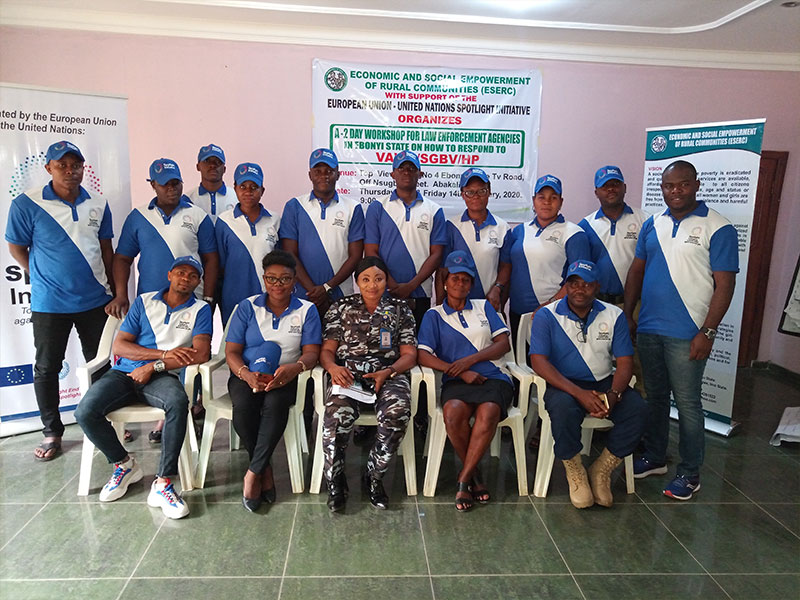
Two-day orientation workshop for her staff to equip them with knowledge and skills to work independently and efficiently in the various LGAs in the two States. Four (4) staff were deployed to each of the two States to implement the activities in the various LGAs. Other methodologies used include advocacy visits/meetings, capacity building training of both women and men champions, and community sensitization. Engagement of men champions and other opinion leaders contributed to the success of the project.
2.0 ACTIVITIES IMPLEMENTED:
2.1 Advocacy visits/stakeholders’ engagement meeting with traditional rulers/opinion leaders, religious leaders, and women group leaders:
10 communities were visited in each LGA, stakeholders visited include: Traditional/opinion leaders, Town union Presidents, Women Leaders, Youth leaders, and Religious leaders. The ESERC team interacted with them and explained the aim of the project and what the project aims to achieve in their various communities. A total of 416 and 360 stakeholders were reached with advocacy in Anambra and Imo States, respectively. Subsequently, advocacy meetings were held with all relevant stakeholders in each Local Government Area (LGA).
2.2 Audience participation live interactive program in 3 radio Stations each in Anambra and Imo States:
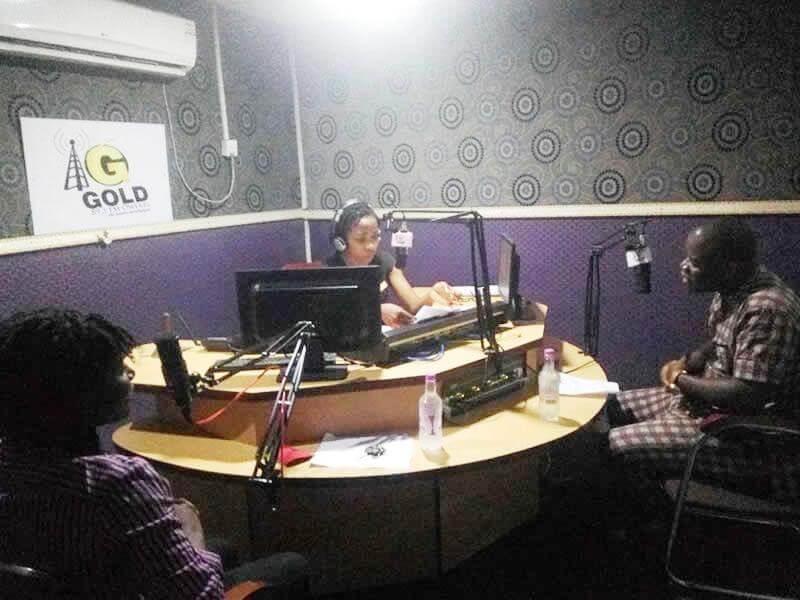
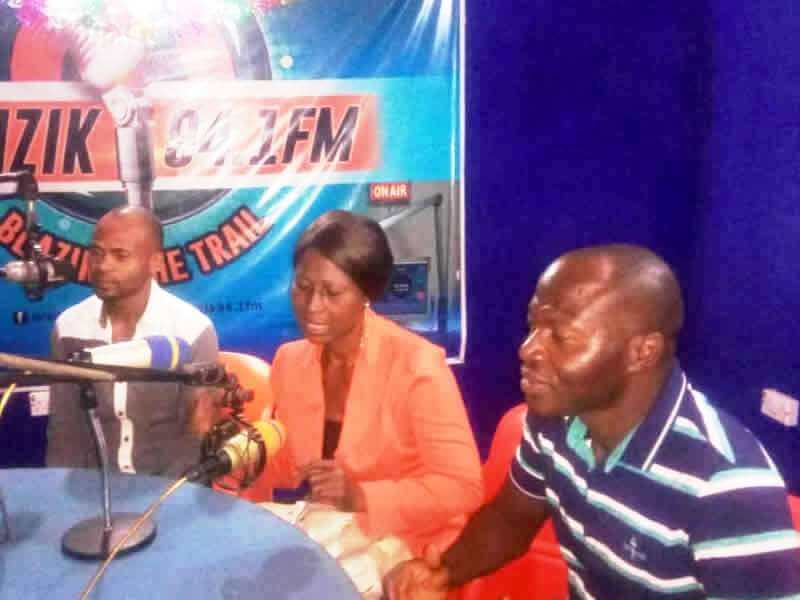
Life audience participation programmes were conducted in 3 radio stations in each of the two States. These stations include: Anambra Broadcasting Services (ABS), UNIZIK Broadcasting Services (UBS), and Sapientia FM, Onitsha in Anambra State. In Imo State, the radio programs were carried out in My-radio 101.1 FM, Owerri, Gold 89.3 FM, Owerri, and Radio Nigeria Heartland FM, Owerri. It was one hour audience participation program on the topic “Women participation in Politics in Nigeria”. Jingles were also aired on these radio stations on the same topic. The ESERC team was able to allay the fears of some callers who expressed fears of violence during the general elections. ESERC provided voter education, which included information on steps to cast a vote in the 2019 general election. The programs were very interesting, as many callers expressed joy over the program. ESERC chose radio stations that had wider coverage; each of the radio Stations reaches beyond their States. It is estimated that a total of 6 million people were reached across the five South East States through the radio program.
2.3. Two days of training for 30 women and 6 male opinion leaders in each of the 6 LGAs in each of the two States:
A total of 36 participants (30 women and 6 men) were trained in each of the 6 LGAs in each of the 2 States. Participants were trained on the importance of women’s participation in Nigerian politics and voter education. The LGAs include: Awka North, Anaocha, Anambra West, Ayamelum, Orumba North, and Orumba South LGAs in Anambra State, and Owerri North, EzinihitteMbaise, Ehime Mbano, Okigwe, Nkwere, and Ideato South LGAs in Imo State. Participants were selected from 10 communities in each LGA.
2.4. Community Outreaches by the trainees:
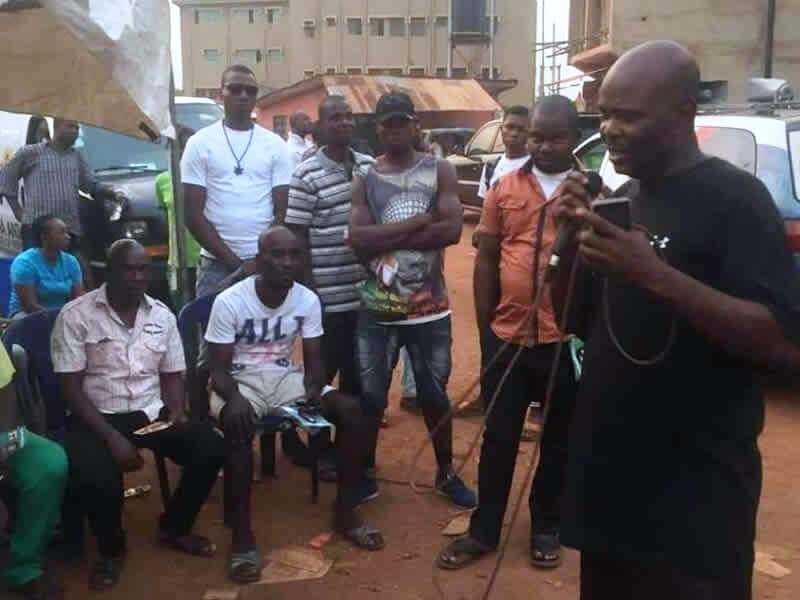
Participants from each community conducted 5 outreaches each in their various communities and sensitized their community members on “Importance of women’s participation in politics and voter education”. A total of 6,840 and 7,622 persons were sensitized in Anambra and Imo States, respectively. ESERC team monitored this activity in each LGA. The trainees utilize existing platforms such as political rallies, group meetings, church services, etc., to carry out the sensitization activities in their various communities.
3.0 Project Outcomes:
– High turnout of voters in the LGAs of our intervention due to continuous sensitization and outreaches embarked upon by ESERC and the trainees in various communities in the LGAs.
– Relatively low violence in the LGAs of our intervention in both States.
– The majority of the electorates interviewed by the ESERC team after the Presidential and national Assembly election reported that they voted according to their conscience, despite high vote buying witnessed in various polling units. Some respondents said they collected the gifts from the politicians and yet voted for the candidates of their choice.
– Stakeholders gave assurance of their support in ensuring that the project is successful.
– The community stakeholders mobilized participants for the training in each LGA.
– The stakeholders provided a venue for the training in each LGA.
4.0 Despite the successes recorded in the project, there were a few challenges, which include:
– Hard-to-reach communities: some of the communities in Anambra West LGA, such as Iyiora Anam, Inoma Akator, Ukwalla, and Orama-Etiti and Umumbo and Ifitte Communities in Ayamelum LGAs, are hard-to-reach areas. ESERC team working in these LGAs sometimes sleeps in the churches in the communities, as they would not be able to go back the same day due to the lack of transportation and the terrain.
– A high level of illiteracy among the women in the communities, such that many could not read or write their names.
– Language barriers: the local dialect of some communities in Anambra West is not the Igbo language; the ESERC team had to make use of an interpreter in order to communicate with the community members.
5.0 Lessons Learnt:
i. Community involvement and participation in the project ensures the sustainability of the project after the exit of donor funding.
ii. Proper community entry is a sure way of getting the community stakeholders’ support to project implementation.
iii. A good working relationship that exists between ESERC and community stakeholders in the two States contributed to the success of the project.
iv. Politics is perceived as men’s business in Igbo land, but with continuous awareness creation and sensitization, such myths will be corrected, and more women will get involved in politics.