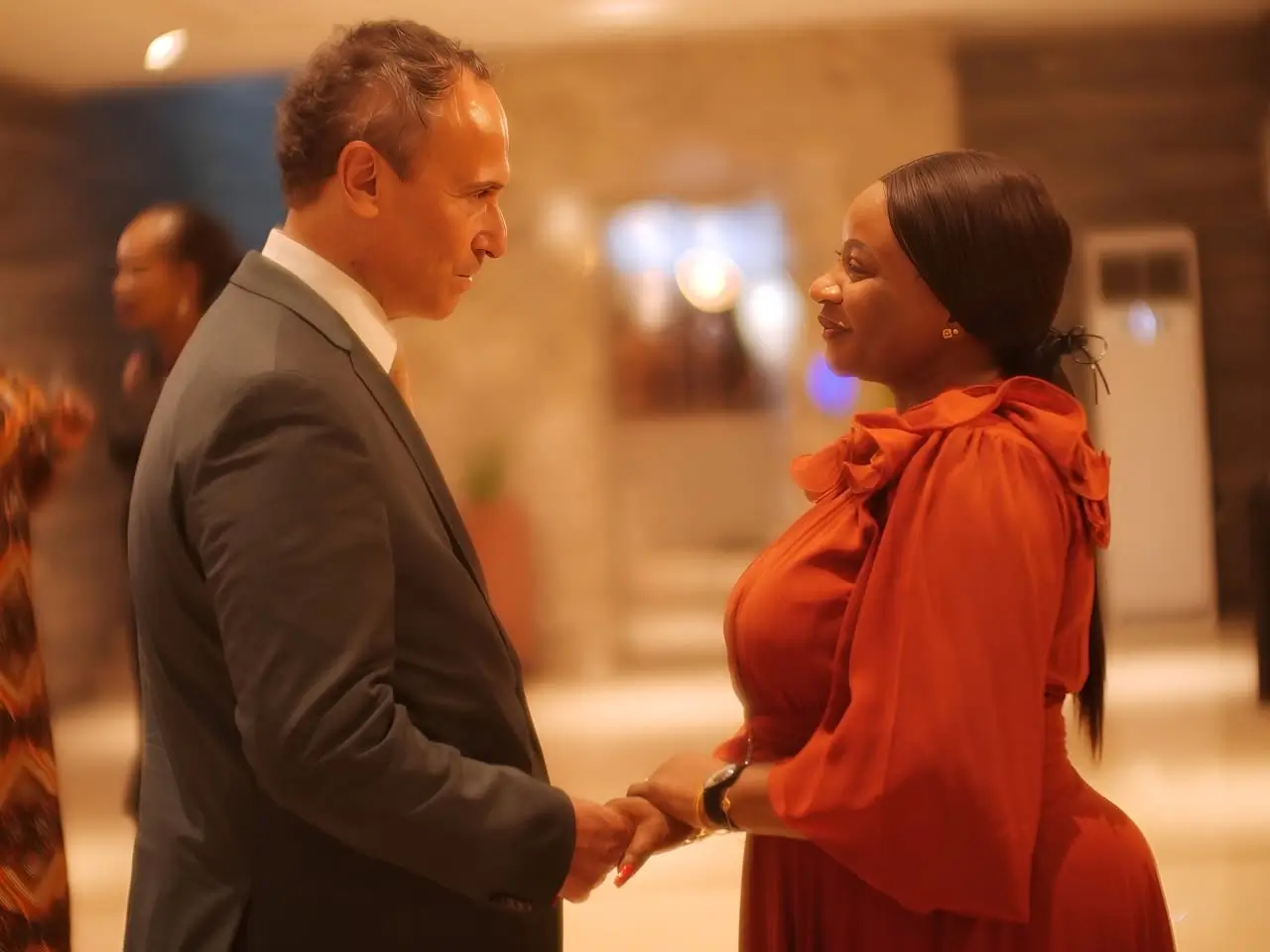
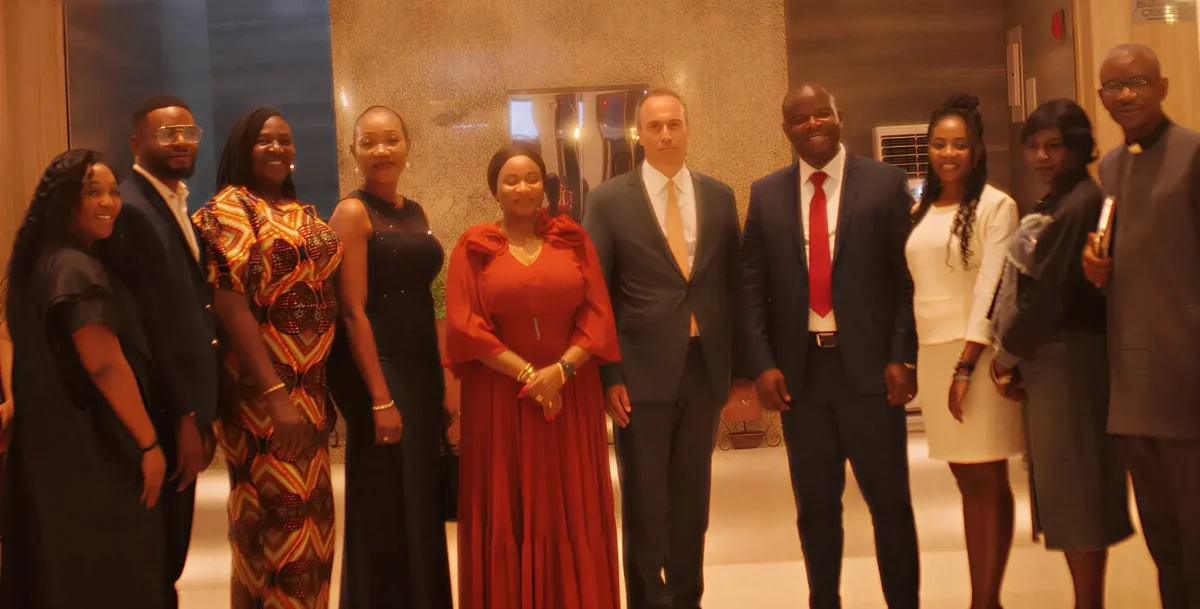
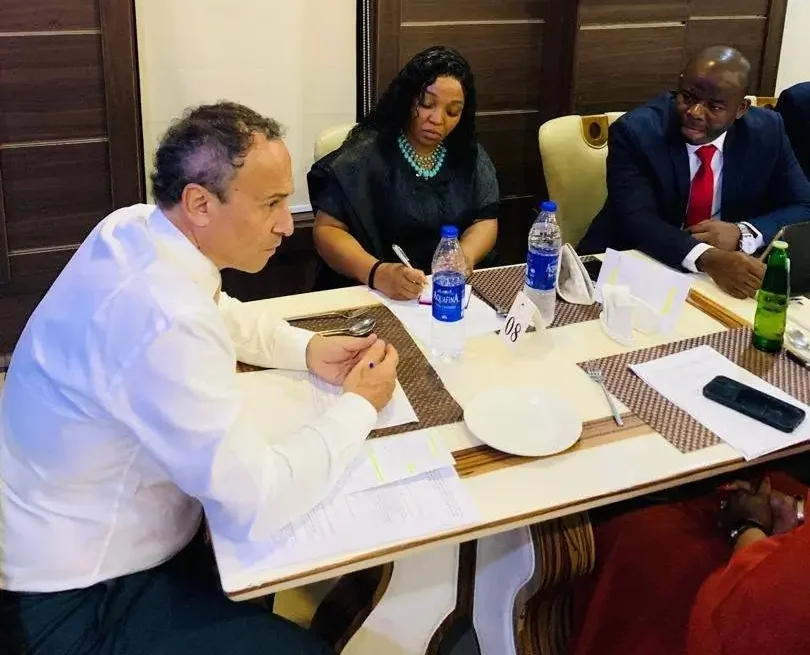
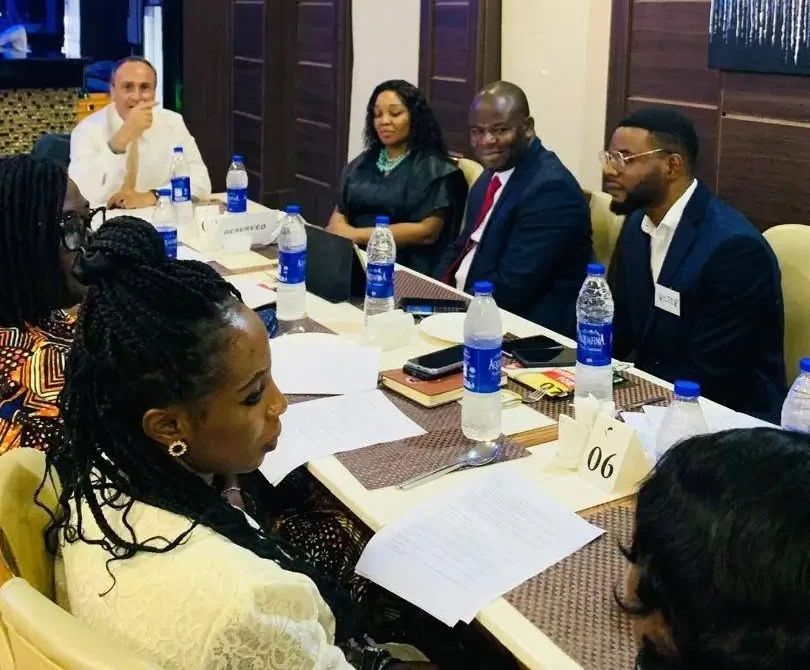
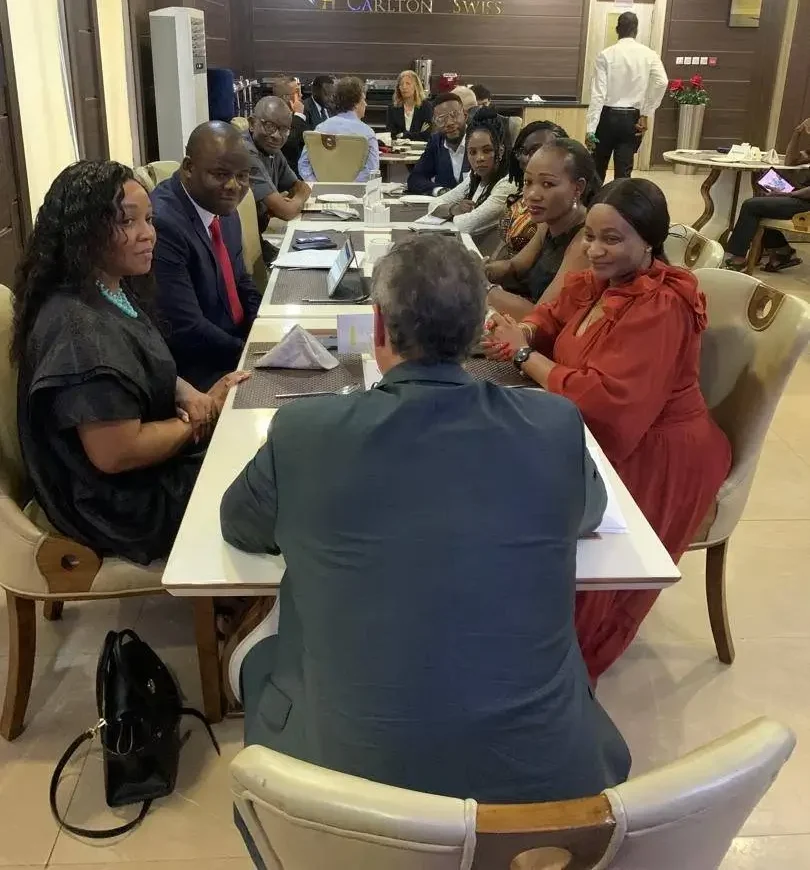
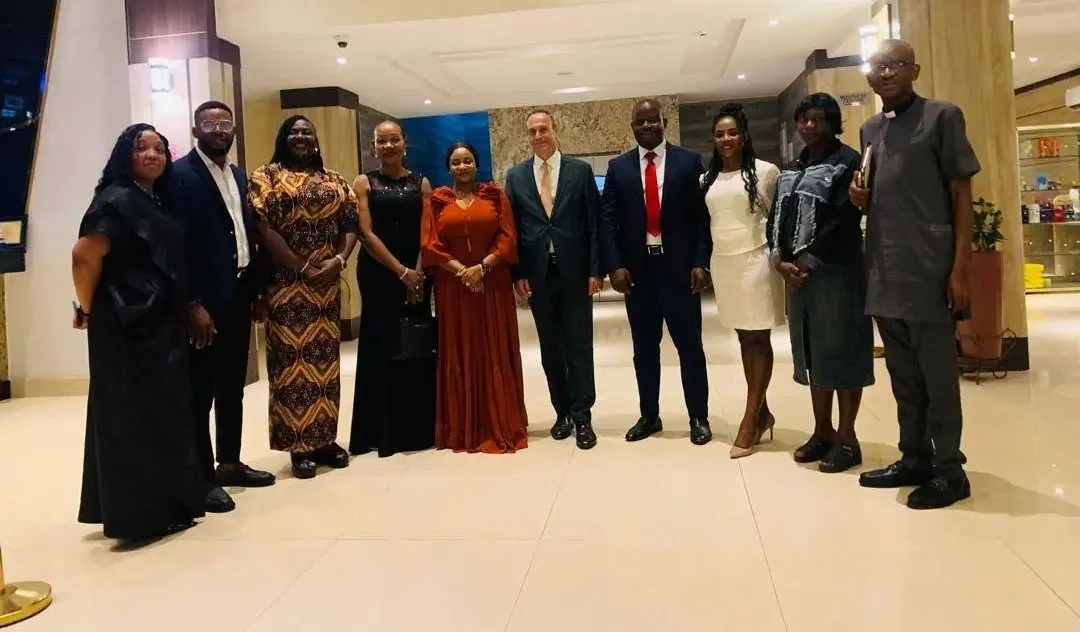
On Wednesday, 15th April 2026, the French Ambassador to Nigeria, His Excellency Ambassador Marc Fonbaustier, led a high-level delegation on a field visit to the ESERC French Embassy–funded project in Enugu State titled “Breaking the Cycle of Gender-Based Violence: Survivor-Centered Services and Community Engagement in Enugu State.”
The visit brought together key stakeholders in the GBV response ecosystem, including the ESERC leadership team led by the Rev’d Ikechukwu Nwaogu, members of the Enugu State Gender-Based Violence Taskforce led by Barr. Mrs. Chidinma Okwuowulu, and the Honourable Commissioner for Children, Women Affairs and Social Development, Hon. Mrs. Ngozi Enih, alongside senior officials from the Ministry. The Anglican Bishop of Nike Diocese, The Rt. Rev. Dr. Christian Onyeka Onyia, represented by Ven. Ben Chinemelu, also joined the engagement.
During the visit, the delegation held a robust and interactive discussion on the progress, achievements, and lessons emerging from the ESERC FEF-OSC project. The conversation focused on how the intervention has strengthened survivor-centered services, improved coordination among institutions, and expanded community engagement in addressing Gender-Based Violence (GBV) across Enugu State.
Stakeholders noted that the project has contributed significantly to building a more responsive and coordinated GBV prevention and response system. This includes improved referral pathways, stronger institutional collaboration, and increased awareness at the community level, ensuring that survivors receive timely and appropriate support services.
The French Ambassador commended the efforts of all implementing partners and reaffirmed the importance of international cooperation in advancing human rights, protection, and dignity for vulnerable populations. He emphasized that sustained partnerships such as this are essential in driving long-term social change.
In his remarks, ESERC expressed deep appreciation to the Government of France through the French Embassy Fund for Civil Society Organizations (FEF-OSC) for its continued support. The organization noted that the project represents more than an intervention—it is a transformative model that is reshaping how GBV is addressed in Enugu State.
According to ESERC, the initiative is helping to strengthen institutions, empower communities, and ensure that survivors are not only supported but also heard and respected within the system. The organization further highlighted that the true success of the project lies in its sustainability and its ability to inspire lasting change beyond the project cycle.
The Enugu State Government also reiterated its commitment to strengthening GBV response structures and deepening collaboration with civil society and development partners to ensure effective service delivery across the state.
The visit concluded with a shared commitment among all partners to consolidate the gains of the project, deepen existing collaborations, and continue advancing a survivor-centered approach to GBV prevention and response in Enugu State.
Overall, the engagement reinforced the value of strong partnerships between government, civil society, and international donors in building systems that protect dignity, promote justice, and drive meaningful social transformation.