Community System Strengthening (CSS) Project
Funded by: Global Fund
Principal Recipient: AIDS, Tuberculosis and Malaria (ATM) Network
Implementing Organization: Economic and Social Empowerment of Rural Communities (ESERC)
Project Period: February 2013 – March 2014
Project Location: Oyofo Community, Ezeagu Local Government Area, Enugu State, Nigeria
Project Background and Context
The Community System Strengthening (CSS) Project was a Global Fund-supported intervention implemented through the AIDS, Tuberculosis, and Malaria (ATM) Network to enhance community engagement and improve access to essential health services. ESERC was selected as one of the Civil Society Organizations (CSOs) to implement the project in Enugu State, with a focus on hard-to-reach and underserved rural communities.
At the time of project implementation, utilization of Primary Health Care (PHC) services in many rural communities remained low due to poor community awareness, limited trust in public health facilities, weak referral systems, and inadequate health infrastructure. These gaps significantly affected access to HIV/AIDS, Tuberculosis (TB), and Malaria prevention, diagnosis, and treatment services, especially among vulnerable populations.
The CSS project was designed to address these challenges by strengthening community-level systems, improving linkages between communities and health facilities, and generating sustained demand for AIDS, TB, and Malaria (ATM) services.
Project Goal
To increase community demand for HIV/AIDS, Tuberculosis, and Malaria services at Primary and Secondary Health Care facilities in Oyofo Community, Ezeagu LGA.
Project Objectives
The specific objective of the project was to restore public confidence in grassroots health care services, thereby reversing the declining utilization of Primary Health Care facilities in rural communities. This was achieved by improving community awareness, strengthening referral mechanisms, and ensuring community members were supported to access available health services.
Key Activities and Interventions
To achieve its goal and objectives, ESERC implemented the following key activities:
1. Community Sensitization and Mobilization
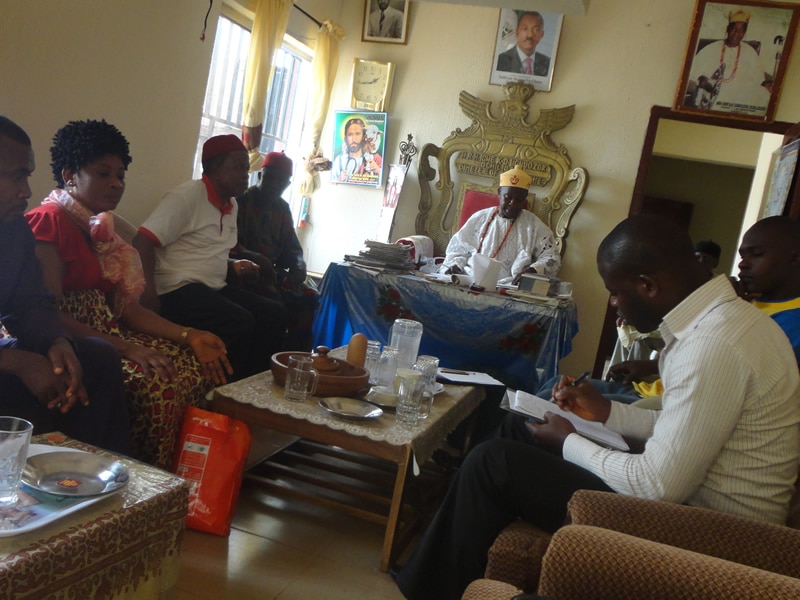
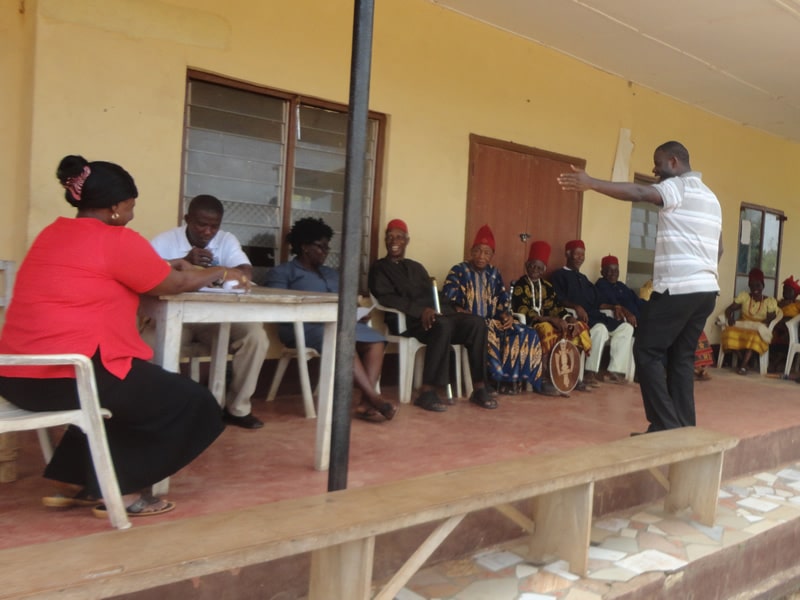
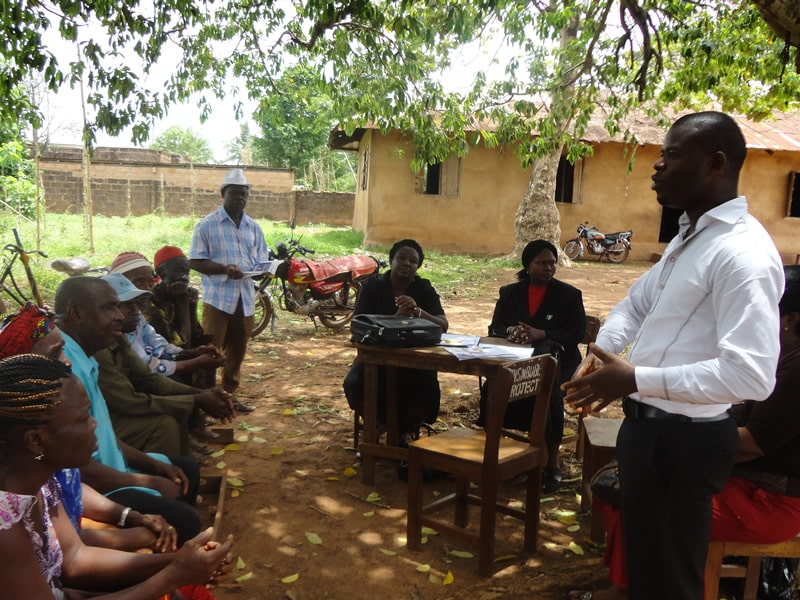
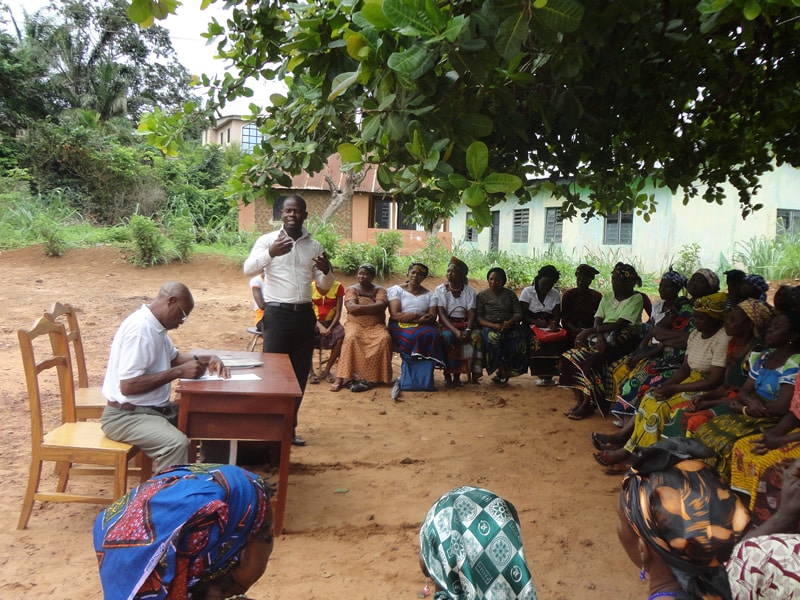
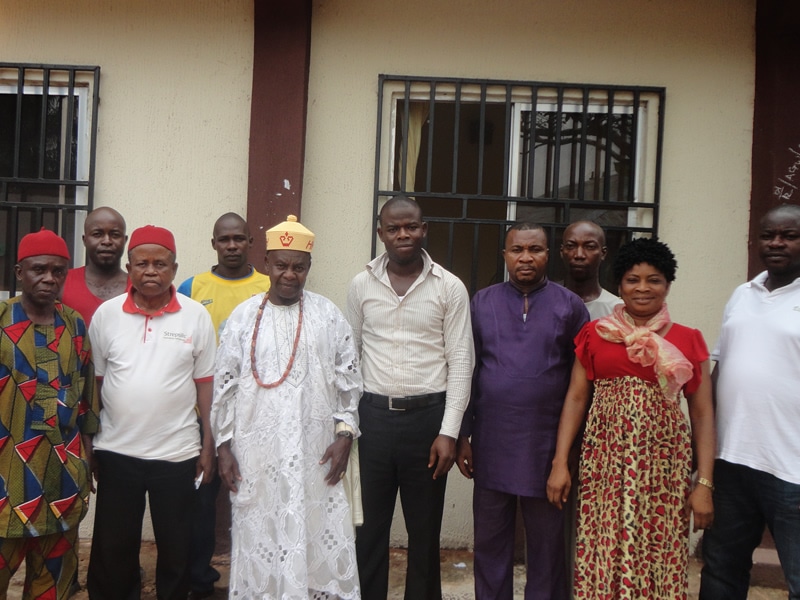
ESERC conducted sustained community sensitization activities to increase awareness of HIV/AIDS, TB, and Malaria prevention, testing, and treatment services. These activities were carried out through community meetings, interpersonal communication, and engagement with community leaders, aimed at addressing misconceptions, reducing stigma, and encouraging health-seeking behavior.
2. Escort and Referral Services
To reduce access barriers, ESERC provided escort services for community members referred to Oyofo Health Centre. This approach helped overcome challenges related to fear, stigma, and unfamiliarity with health facilities, particularly for individuals seeking HIV and TB services.
3. Monitoring of Service Uptake
The project monitored daily service uptake at the Oyofo Health Centre to track referrals and utilization of ATM services. This monitoring helped assess the effectiveness of community mobilization efforts and informed ongoing adjustments to improve service delivery and community engagement.
Key Indicators
• Number of community members referred for HIV/AIDS, TB, and Malaria services at Oyofo Health Centre.
Key Achievements and Results
• Increased awareness and knowledge of ATM services within Oyofo Community.
• Improved linkage between the community and the Oyofo Primary Health Care facility.
• Increased utilization of HIV, TB, and Malaria services through structured referrals and escort support.
• Strengthened community trust and confidence in public health facilities.
• Enhanced collaboration between community structures and health facility staff.
Challenges
Despite notable achievements, the project encountered several challenges:
• Insufficient funding, which limited the scale and duration of community outreach and follow-up activities.
• Inadequate health facility infrastructure, which affected the quality and range of services available at the PHC.
• Poorly equipped DOT (Directly Observed Treatment) centres, which constrained effective TB service delivery and follow-up.
Lessons Learned
• Community engagement and trust-building are critical for increasing health service utilization.
• Escort and referral services significantly improve access to care, especially for stigmatized conditions such as HIV and TB.
• Community system strengthening must be complemented by adequate investment in health facility infrastructure and commodities.
Conclusion
The Community System Strengthening (CSS) Project demonstrated the importance of community-driven approaches in improving access to essential health services. By strengthening referral systems, mobilizing communities, and supporting health facility utilization, ESERC contributed to restoring confidence in grassroots health care services in Oyofo Community. The lessons from this project provide a strong foundation for scaling up community-based demand generation and health system strengthening interventions in rural and underserved areas.