Project Title: Accelerated Control of HIV Epidemic And Sustainability Solution (ACCESS Project)
Funded by: U.S. Department of Health and Human Services (HHS)/Centers for Disease Control and Prevention (CDC)
Principal Recipient: Catholic Caritas Foundation of Nigeria (CCFN)
Sub-recipient: Economic and Social Empowerment of Rural Communities (ESERC)
Date: May 2020 – Present
Locations: Enugu and Imo States, Nigeria
PROJECT OVERVIEW:
The ACCESS Project is part of the Global Action Towards HIV Epidemic Control in Sub-National Units in Nigeria (4GATES) initiative, aiming to reduce the HIV burden and ensure sustainable healthcare solutions. ESERC was engaged in 2020 and continues implementing the project after its renewal in October 2022.
KEY ACHIEVEMENTS:
1. HIV Case Identification and Linkages:
▪ Identified and enrolled 8,499 persons living with HIV in Enugu State and 12,471 in Imo State; this number includes paediatric and adolescents aged 0-14 years. Currently, 7,602 and 9,320 in Enugu and Imo States are active in treatment in various supported facilities in the two States due to death or relocation.
▪ Among those cases identified are women and children, young girls, GBV survivors, including those who got infected through rape and other culturally harmful practices such as early/child marriage, Female Genital Mutilation (FGM), and those who got infected through commercial sex work due to poor economic situations, PWD, and people who inject drugs.
▪ Over 95% of identified clients were successfully linked to CCFN-supported health facilities for antiretroviral therapy (ART) and care.
▪ ACCESS project stopped case finding in FY24, currently ESERC is focusing on patient cases, which include drug refills, Viral load monitoring, and home-based care.
2. Community-Based Drug Pickup Support:
▪ Clients who are unable to visit health facilities received home-based drug delivery through case managers to ensure adherence to treatment.
3. Sample Collection for Viral Load Testing:
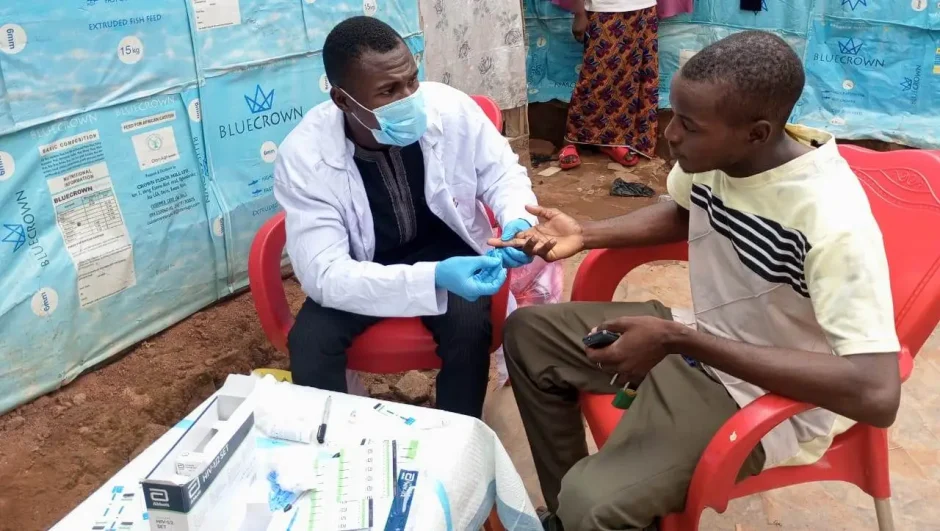
▪ ESERC deploys ART nurses and medical lab technicians to collect blood samples for viral load testing, even at clients’ homes or their place of convenience.
▪ Special support is given to clients who lack transportation funds or face social stigma.
4. Inclusion and Non-Discrimination:
▪ The project database includes women and girls, paediatrics and adolescents, LGBTQI individuals, and persons with disabilities (PWDs).
▪ A holistic approach ensured that vulnerable populations received stigma-free access to healthcare.
5. Improved Quality of Life for PLHIV:
▪ Many clients regained their health, resumed productive lives, and some have gotten married and had HIV-free children through Prevention of Mother-to-Child Transmission (PMTCT) services.
CHALLENGES:
▪ Stigma and Discrimination: Many PLHIV, especially LGBTQI individuals and GBV survivors, face social stigma that discourages them from seeking treatment.
▪ Economic Barriers: Some clients could not afford transportation to health facilities.
▪ Gender-Based Violence (GBV) and HIV Intersectionality: Many GBV survivors contracted HIV due to sexual violence or harmful traditional practices.
▪ Limited Resources: Expanding outreach efforts required more case managers and medical staff to meet demand, and inadequate funding prevented us from providing needed services to GBV survivors under our care.
As the ACCESS project has stopped community case finding for about two years now, and there is no other partner supporting community case finding in both Enugu and Imo state, there is a need to resume community case finding, as evidence proves that new cases are beginning to increase, especially for paediatrics and adolescents
RECOMMENDATIONS:
▪ Strengthen community-based support groups to reduce stigma and enhance treatment adherence.
▪ Expand economic empowerment programs for vulnerable PLHIV to reduce dependency.
▪ Increase funding for mobile health services to reach more clients who cannot access facilities.
▪ Integrate GBV response mechanisms within HIV programs to provide trauma counseling and legal support for survivors.
Despite these milestones, funding constraints, cultural resistance, and security challenges remained barriers to progress. This report details our activities, challenges, and recommendations for a stronger, more inclusive response in 2026.