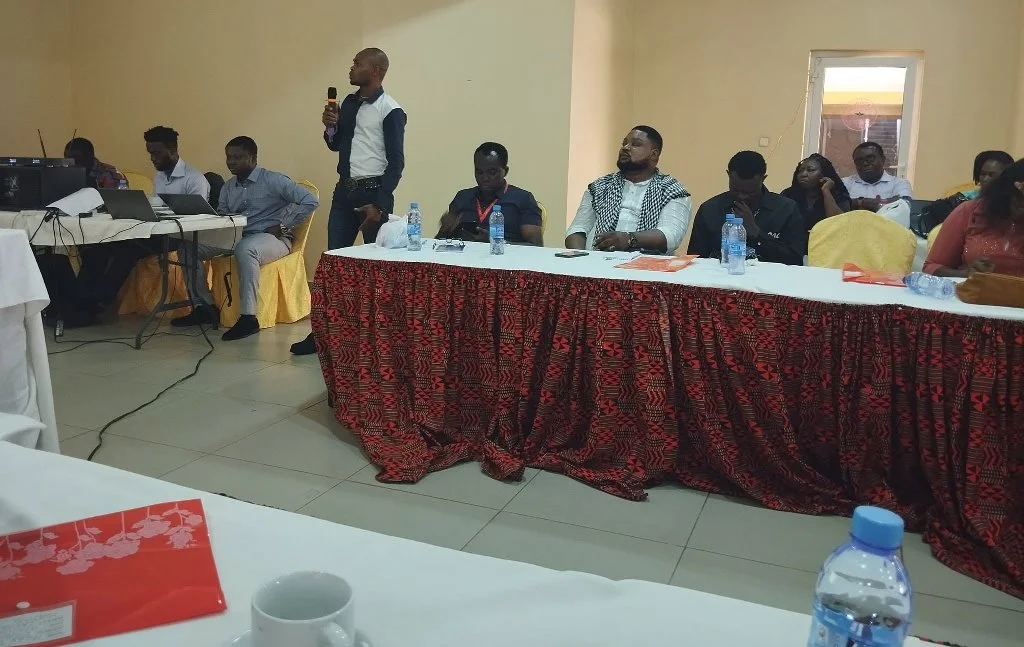
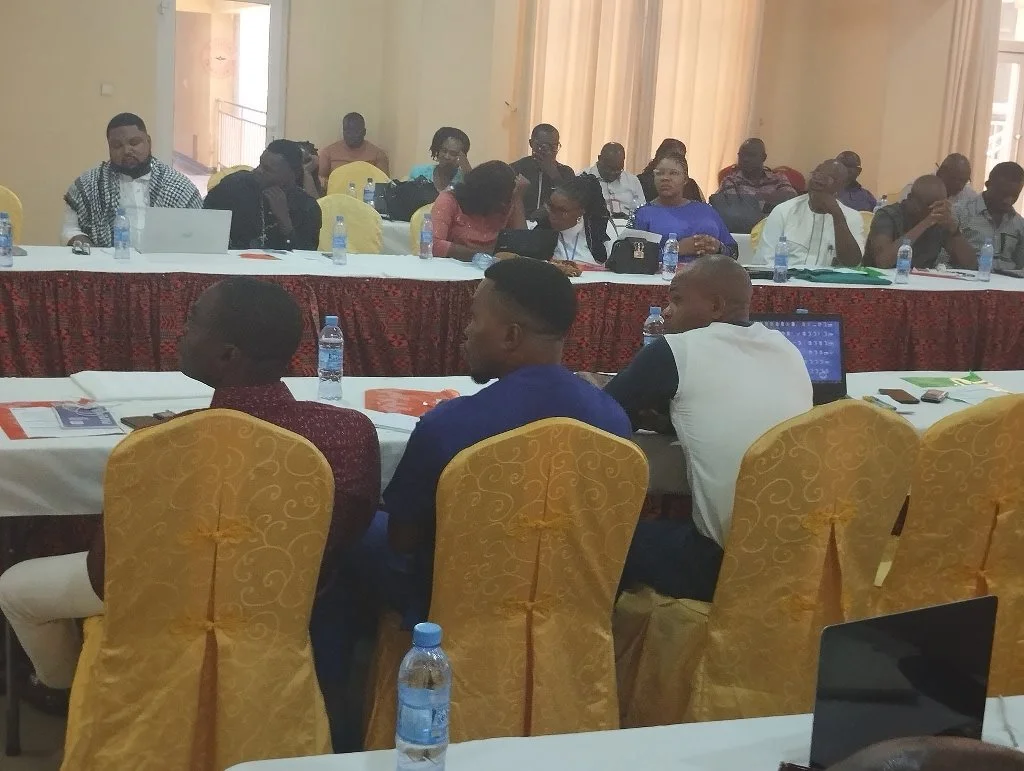
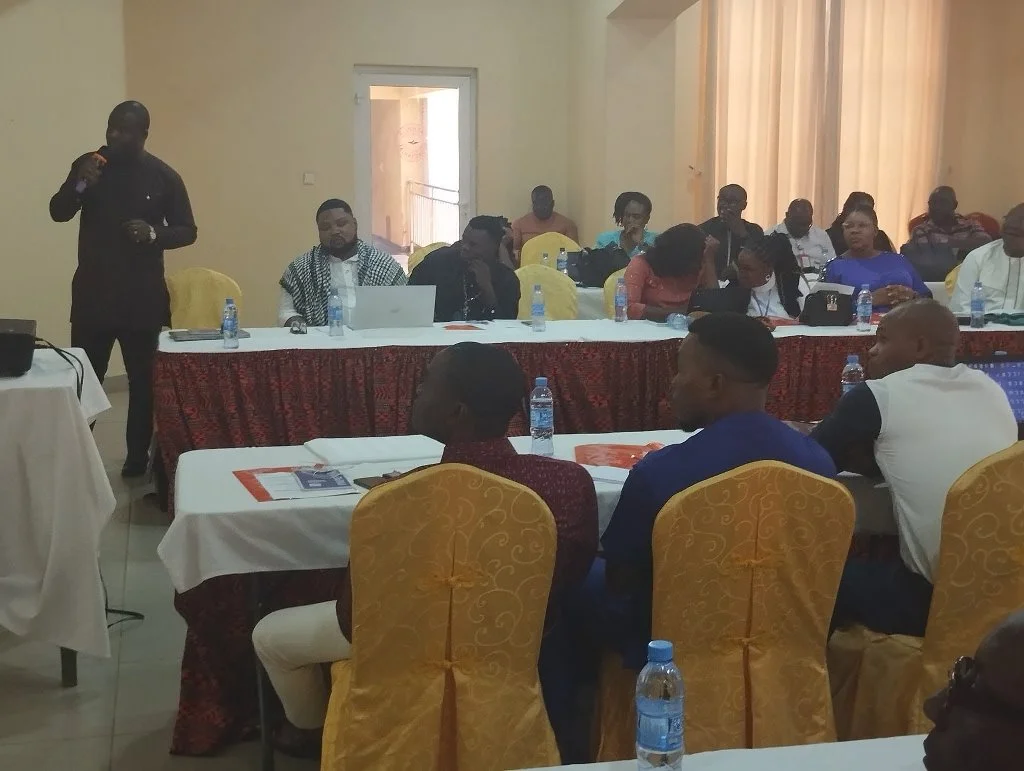
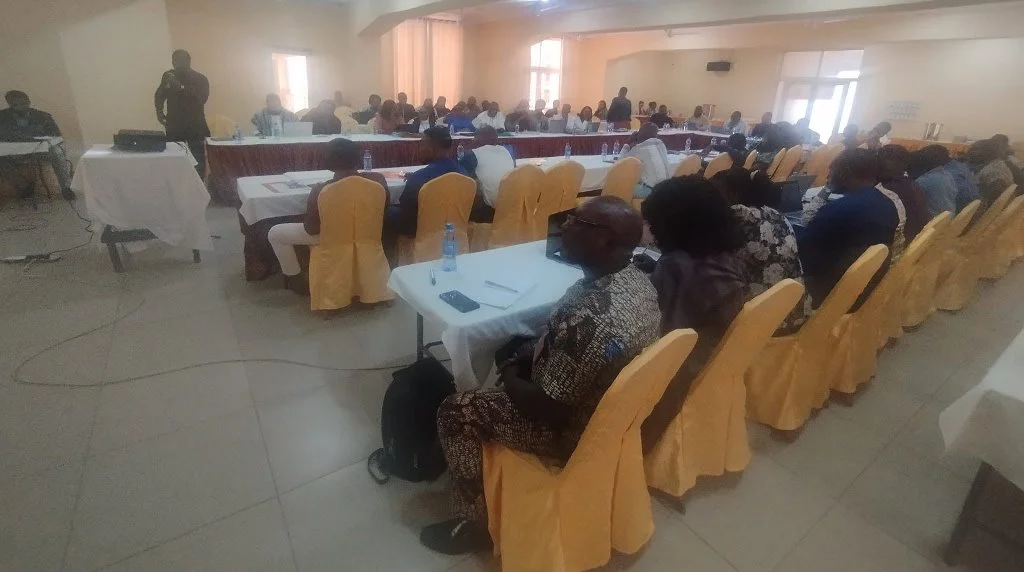
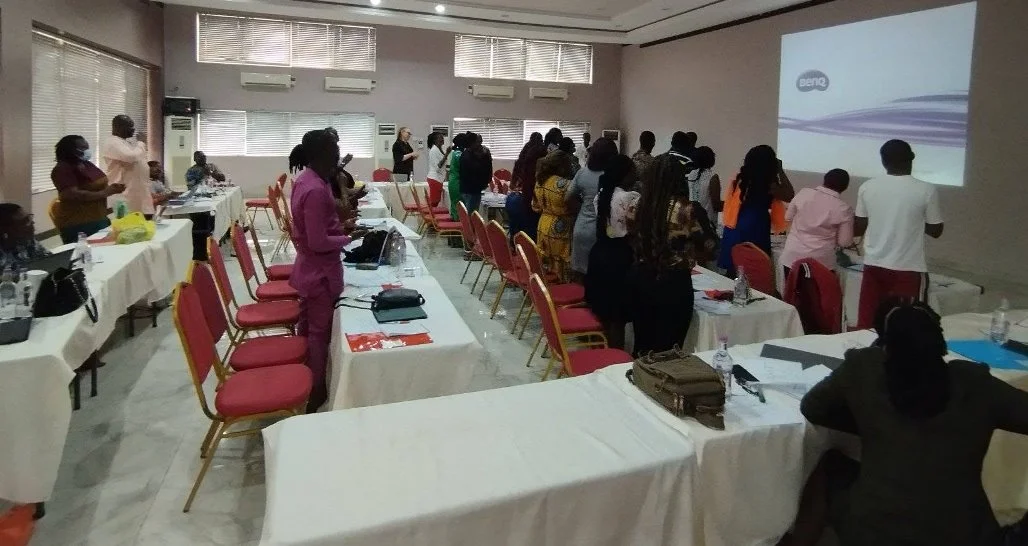
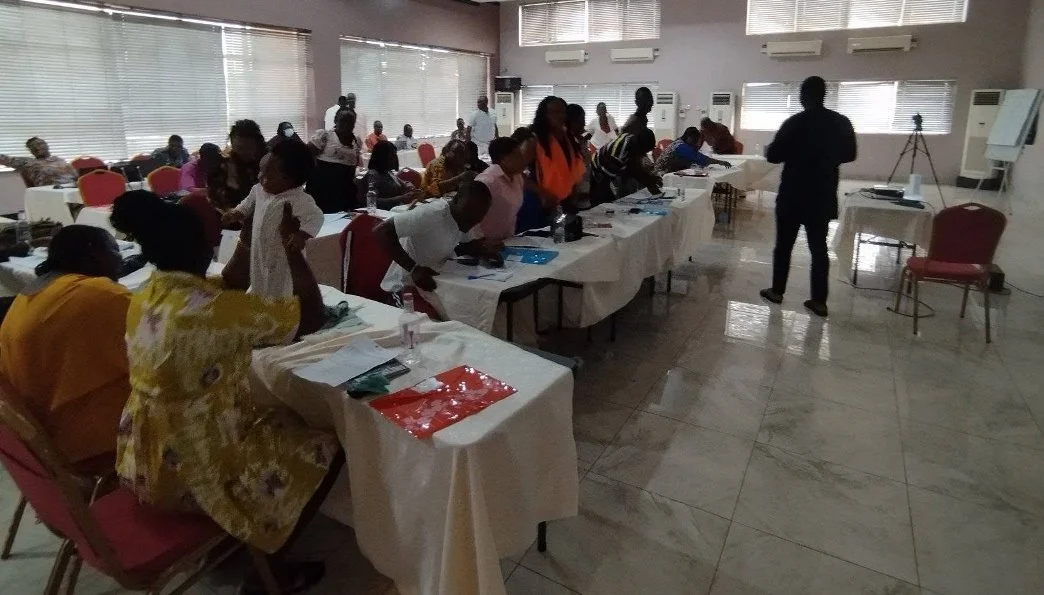
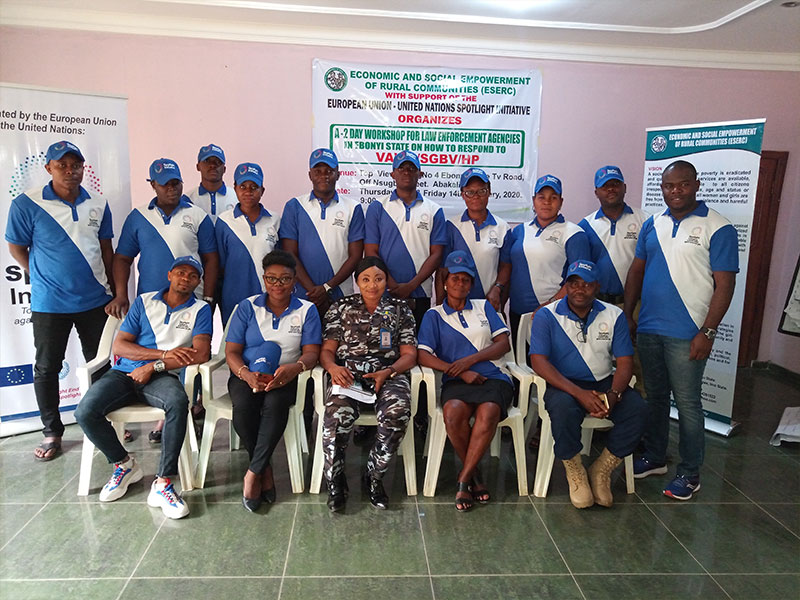
The Economic and Social Empowerment of Rural Communities (ESERC) continues to strengthen partnerships with government institutions, development partners, civil society organizations, healthcare providers, and community stakeholders to improve access to essential services for vulnerable populations, particularly women, girls, and people living with HIV.
Recognizing that sustainable development is built on collaboration, ESERC remains committed to fostering strategic partnerships that promote social inclusion, protect human rights, and improve the quality of life for individuals facing multiple forms of vulnerability. Through these partnerships, the organization supports coordinated interventions that address gender-based violence, HIV-related stigma and discrimination, child protection, community empowerment, and access to health and social services.
Women and girls who experience multiple forms of violence often face barriers to justice, healthcare, psychosocial support, and economic opportunities. Likewise, people living with HIV continue to encounter challenges associated with stigma, discrimination, and unequal access to services. ESERC works alongside relevant stakeholders to strengthen referral systems, increase awareness, promote inclusive service delivery, and ensure that vulnerable individuals receive timely and appropriate support.
The organization also engages communities through advocacy, awareness campaigns, capacity-building programmes, and stakeholder dialogues aimed at promoting gender equality, safeguarding human dignity, and encouraging community ownership of development initiatives. These collaborative efforts help create safer communities where vulnerable populations can access protection, healthcare, education, and opportunities for sustainable livelihoods.
ESERC believes that no single organization can address these complex social challenges alone. By leveraging the expertise and resources of government agencies, development partners, healthcare institutions, community-based organizations, and other key stakeholders, the organization continues to build stronger systems that respond effectively to the needs of vulnerable populations.
As ESERC expands its partnerships and community-based interventions, it remains steadfast in its mission to empower communities, protect the rights of women and girls, support people living with HIV, and promote inclusive, equitable, and sustainable development. Through collective action, compassion, and strategic collaboration, the organization continues to make meaningful progress toward building healthier, safer, and more resilient communities.